Engineering & Compliance
A flood barrier is only as good as the forces it was designed to hold back. Here is the plain engineering story behind every Flood.Tech barrier — and what we will and will not claim.
The whole job is holding back force.
Water is heavy, and the pressure against an opening grows with depth — not with how wide it looks. A barrier that is not engineered for the real forces at the opening it protects is a board, not a barrier, and it will give way when the load arrives.
A 16-ft garage opening holding back 4 ft of water resists about 8,000 lb of hydrostatic force. That number is the reason a barrier must be engineered to the opening and the water depth it will actually see — not bought off a shelf and hoped for.
~8,000 lb
A 16-ft garage opening at 4 ft of water holds back about 8,000 lb of hydrostatic force.
How a barrier is built — in plain terms.
Positioning only, not final specs. Every barrier is engineered to the opening it protects.
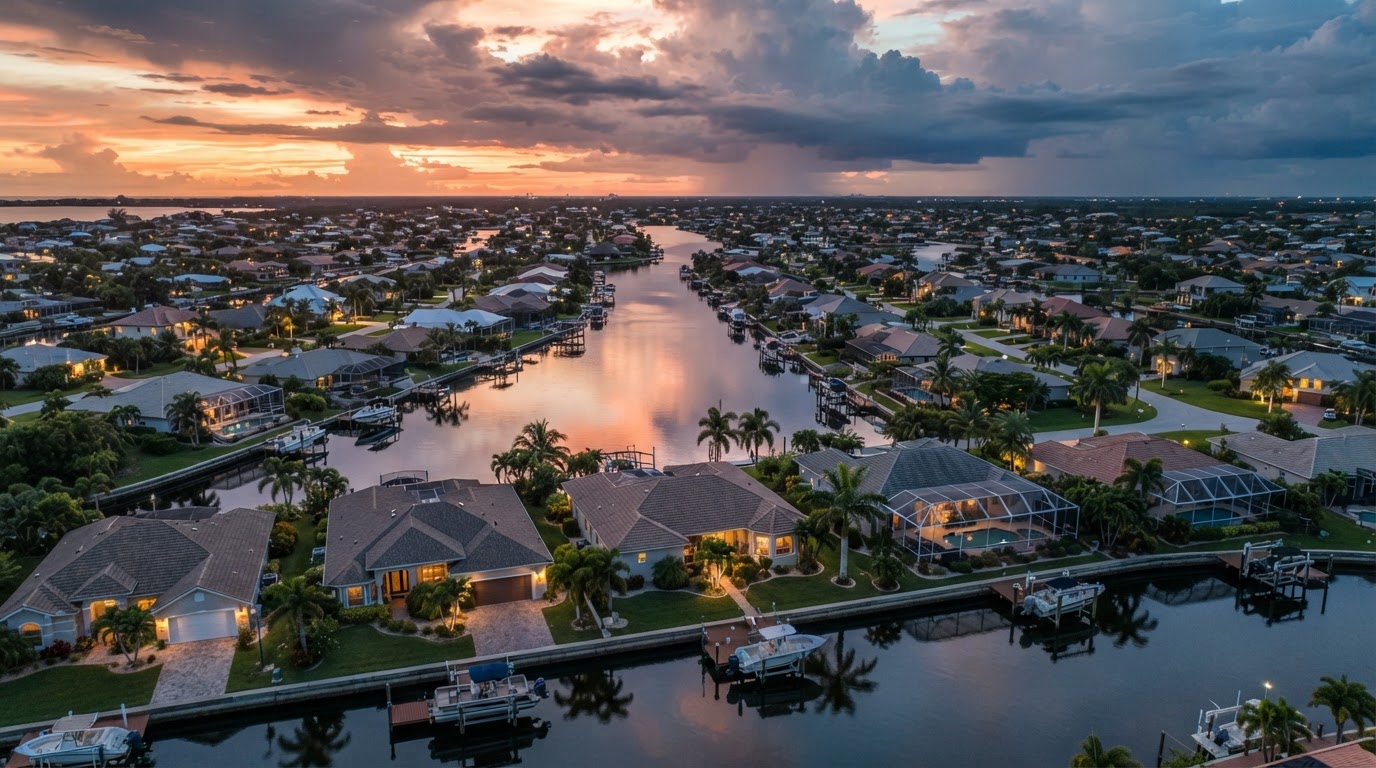
Designed in Cape Coral for Florida canal homes
Every barrier starts from the openings and exposure of a Southwest Florida canal home — not a generic spec sheet.
US fabrication
Barriers are fabricated in the United States. Build details are matched to the opening it protects.
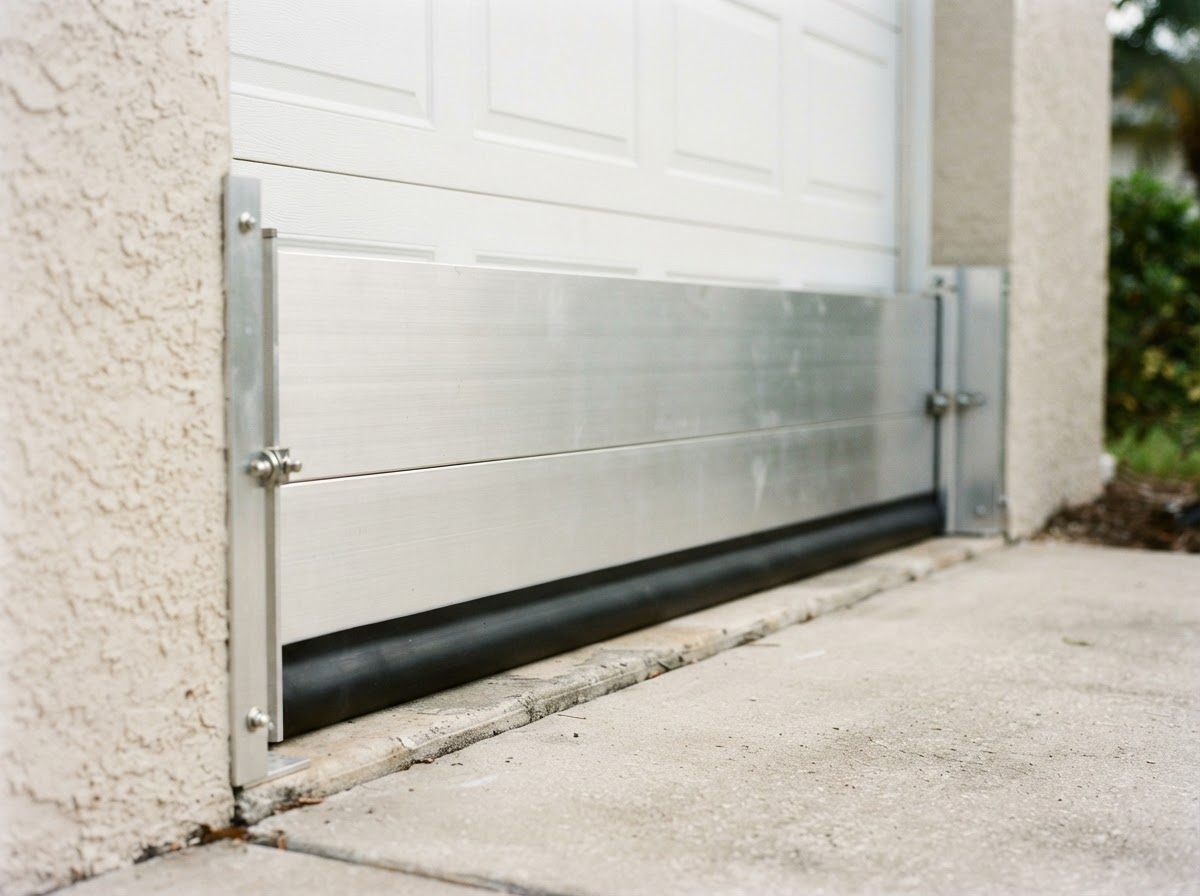
Marine neoprene, smooth-sealing design
A smooth marine neoprene seal is designed to seat against the opening and hold back water where it meets it.
Liability waiver and written disclosure at sale
Every sale includes a liability waiver and a written disclosure of limitations, signed before installation and delivery.
Start with engineering, not a guess.
A free Flood Protection Design Consultation starts with the openings that matter most at your home. We review your flood history and engineer a barrier to the opening it protects. No pressure, no prices — just engineering.